Search Volume in SEO: What It Means and Why It Matters
Search volume in SEO tells you how many times people type a specific phrase into a search engine each month. It’s the starting point for almost every keyword research decision — but it’s also one of the most misunderstood metrics in SEO.
Quick Answer
Search volume in SEO is the average number of times a keyword is searched for in a given period, usually shown as a monthly average. It helps you estimate demand for a topic, but it isn’t a guarantee of traffic — click-through rates, search intent, and keyword difficulty all affect how much traffic you actually get.
Quick Summary Box
- Search volume = estimated monthly searches for a keyword
- It’s measured by tools like Google Keyword Planner, Ahrefs, and Semrush
- High volume ≠ high traffic — intent and competition matter just as much
- Different tools often show different numbers for the same keyword
- Low search volume keywords can still be valuable, especially for niche or local businesses
Table of Contents
1. What Is Search Volume in SEO?
Search volume is the average number of times a specific keyword or phrase is searched for on a search engine, typically reported as a monthly figure. For example, if “best running shoes” has a search volume of 40,000, that means an estimated 40,000 people search that exact phrase (or close variations) every month.
It matters because it gives you a rough sense of demand. A keyword with zero search volume in SEO tells you almost nobody is actively looking for that phrase, which is useful information before you spend hours writing about it.
2. How Is Search Volume Calculated?

Search volume figures come from aggregated, anonymised search data. Tools like Google Keyword Planner pull this directly from Google’s own search logs, while third-party platforms like Ahrefs and Semrush combine clickstream data, search engine results page (SERP) scraping, and their own algorithms to estimate volume.
Most tools report a 12-month average, which smooths out seasonal spikes. That’s useful for long-term planning but can hide short-term trends — a keyword like “Christmas gift ideas” will show a steady average even though almost all its searches happen in November and December.
Exact Match vs Average Data
Some platforms let you view exact monthly numbers rather than a rolling average. This distinction matters for seasonal businesses, where knowing when demand spikes is more useful than knowing the yearly average.
3. Why Do Different Tools Show Different Numbers?
If you’ve checked the same keyword in two different tools and gotten two different results, you’re not imagining it. This happens because each platform:
- Pulls data from different sources (Google’s own data vs third-party clickstream panels)
- Uses different sampling methods and update frequencies
- Groups similar keywords into “buckets,” which can inflate or dilute individual numbers
- Applies different rounding or estimation models
Rather than treating any single number as exact, it’s more useful to treat search volume as a directional signal — is demand high, moderate, or negligible — rather than a precise count.
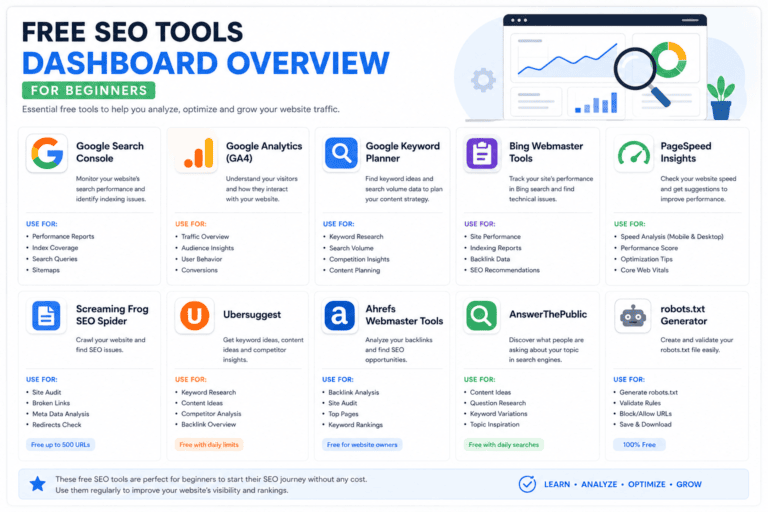
4. Best Free and Paid Tools to Check Search Volume in SEO
| Tool | Type | Best For |
|---|---|---|
| Google Keyword Planner | Free (Google Ads account required) | Getting a baseline volume range |
| Google Trends | Free | Seasonality and relative interest over time |
| Ahrefs Keywords Explorer | Paid | Traffic Potential, keyword difficulty, competitor gaps |
| Semrush Keyword Magic Tool | Paid | Bulk keyword lists and clustering |
| Moz Keyword Explorer | Paid | Priority scoring combining volume and difficulty |
Expert tip:
Don’t rely on a single tool. Cross-check your target keyword in at least two sources, and treat Google Search Console’s actual impression data (once your page is live) as your most trustworthy long-term signal.
5. High vs Low Search Volume: Which Should You Target?

| Factor | High Volume Keywords | Low Volume Keywords |
|---|---|---|
| Competition | Usually very high | Usually lower |
| Time to rank | Longer, more backlinks needed | Faster, especially for new sites |
| Traffic potential | High if you rank | Lower per keyword, but scalable across many pages |
| Best for | Established sites with authority | New sites, niche businesses, local SEO |
| Conversion quality | Varies — often broader intent | Often more specific, higher-intent searchers |
For most new or growing websites, a mix of a few ambitious high-volume “pillar” keywords supported by many low-volume, specific long-tail keywords tends to outperform chasing big numbers alone.
6. How to Use Search Volume in SEO Content Strategy
- Start with a seed keyword relevant to your business or niche
- Expand it using Keyword Planner, Trends, or a paid tool to surface related terms
- Group keywords into topic clusters rather than judging them one at a time
- Weigh volume against difficulty and intent — not volume alone
- Prioritise a realistic mix: a handful of high-volume pillar topics, supported by many long-tail supporting posts
- Track actual performance in Google Search Console after publishing, and adjust your next content batch based on real impressions and clicks
7. Common Mistakes to Avoid
- Chasing only high-volume keywords regardless of relevance or competition
- Ignoring keywords with “zero” reported volume — some tools underreport niche or long-tail terms
- Treating search volume as equal to expected traffic (it isn’t — click-through rate and SERP features change this dramatically)
- Optimising for a single keyword instead of a topic cluster
- Never checking real Search Console data after publishing
8. Search Volume in the Age of AI Search
With the rise of AI-generated answers (like Google’s AI Overviews), a growing share of searches are answered directly on the results page without a click. This means a keyword can have high search volume in SEO but lower clickable traffic potential than it used to. It’s increasingly important to combine search volume with an assessment of how “answerable” a query is directly in the SERP and to prioritise topics where users are still likely to want to visit a website — such as comparisons, in-depth guides, and local services.
Frequently Asked Questions
What is a good search volume in SEO?
There’s no universal number — it depends on your niche, site authority, and goals. For a new website, keywords with 100–1,000 monthly searches and lower competition are often more realistic starting points than 10,000+ search terms.
Is search volume the same as traffic?
No. Search volume measures demand for a query; actual traffic depends on your ranking position, click-through rate, and how many of those searches result in clicks versus being answered directly on the results page.
Should I ignore keywords with zero search volume?
Not necessarily. Some genuinely useful, high-intent keywords are underreported by tools, especially very specific long-tail phrases.
What’s the best free tool to check search volume in SEO?
Google Keyword Planner is the most widely used free option, though it requires a Google Ads account to access full data ranges.
.
Conclusion
Search volume in SEO is a useful compass, not a finish line. It tells you whether people are searching for a topic at all — but ranking success depends on matching that demand with the right search intent, realistic competition, and genuinely useful content. Use it to guide your keyword choices, not to make them for you.
Need help turning keyword research into actual rankings and traffic? PakNook’s SEO and content marketing team can handle keyword research, content creation, and on-page optimisation for you — get in touch with PakNook to talk through your goals.